3 Zone Comparison · 2026
Best DIY 3 Zone Mini Split for 2026
Choosing the right 3‑zone mini split system in 2026 means balancing efficiency, cold climate performance, installation difficulty, and warranty peace of mind. With several brands competing for your dollar, the decision isn't always obvious. This guide breaks down the three brands most often compared - Zone Air, MRCOOL, and Cooper & Hunter - so you can decide DIY or pro install, pick the right refrigerant, and size your system correctly without overpaying.
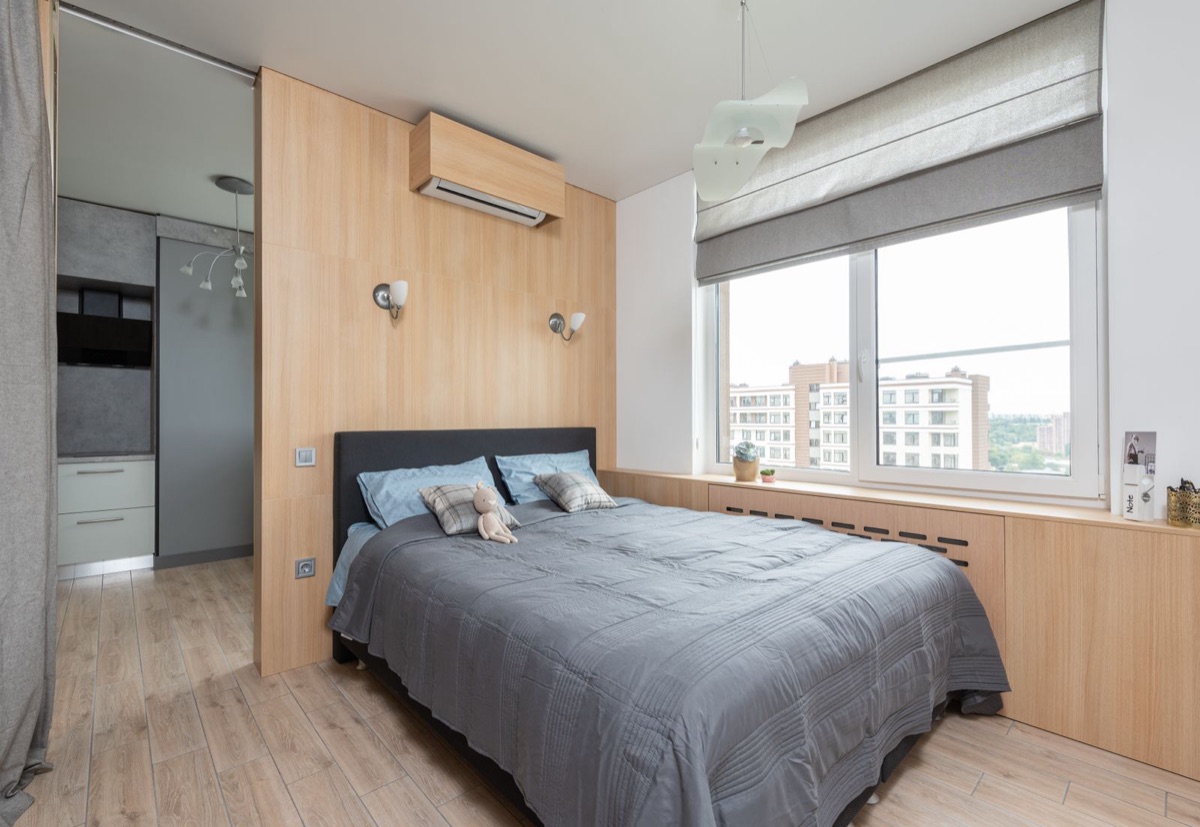
Our pick for a DIY 3‑zone install is Zone Air: pre charged R‑454B quick‑connect line sets, up to 24 SEER2, heating to about −13°F, and a warranty that covers self installation. MRCOOL DIY is the closest alternative, with similar specs and a 7‑year compressor warranty that doesn't require registration. Cooper & Hunter Hyper Heat (rated to −22°F) is the choice if you want a professionally installed system for extreme cold.
The Short Version
Quick Answer: The Best DIY 3‑Zone Mini Split for 2026
MRCOOL also sells true DIY multi zone systems with pre charged quick‑connect line sets. On paper its DIY multi‑zone specs are close to Zone Air's; the differences are mostly refrigerant generation, efficiency by SKU, and support experience.
Cooper & Hunter earns its spot as the cold climate performance benchmark. Their hyper heat models can operate down to −22°F, but these are not DIY products. Cooper & Hunter systems require professional installation to maintain warranty coverage, and the equipment cost plus labor pushes total project pricing well above what a self install DIY kit delivers.
Why we recommend Zone Air for most DIY buyers:
Definitions
What Is a 3‑Zone DIY Mini Split System?
A 3‑zone ductless mini split uses one outdoor unit (the compressor/heat pump) connected to three separate indoor heads. Each indoor unit has its own thermostat and fan settings, so you can cool the living room to 72°F while keeping a guest bedroom off entirely. This is the core advantage over a single zone system, which conditions just one room.
A true diy system means the factory pre charges the refrigerant into quick‑connect line sets. You never handle raw refrigerant, pull a vacuum, or use specialized HVAC tools. You mount hardware, drill a wall hole for each head, connect fittings, and open valves.
Where 3‑zone mini splits make sense in 2026:
Cheat Sheet
3‑Zone Mini Split Options at a Glance
Think of this section as your cheat sheet before diving into brand‑by‑brand detail. Both MRCOOL and Cooper & Hunter systems offer high efficiency ratings, often in the SEER2 range, but they differ sharply in installation method, refrigerant, and warranty terms.
Budget mini splits typically have SEER2 ratings between 19 and 22, so all three brands here clear that bar. The real separation comes from cold climate performance, diy readiness, and long‑term serviceability.
| Feature | Zone Air (DIY) | MRCOOL (DIY) | Cooper & Hunter Hyper Heat (Pro Install) |
|---|---|---|---|
| BTU range (3‑zone) | 27K–36K connected | 27K–36K | 19K–36K |
| SEER2 | Up to 24 | Up to 23.6 (varies by SKU) | Up to ~25 |
| HSPF2 | ~10.5 | ~9–10 (varies) | ~10.4 |
| Lowest heating temp | −13°F | ≈ −13°F (standard DIY multi‑zone; higher‑tier models rated lower) | −22°F |
| Refrigerant | R‑454B | R‑454B (5th Gen); R‑410A on remaining 4th Gen stock | R‑454B (2026 Hyper series) |
| Install type | True DIY | DIY (with caveats) | Pro install only |
| 2026 equipment price (approx.) | ~$3,500–$4,500 | ~$3,200–$5,000 | ~$3,500–$5,500 + labor |
Cheap mini splits below 18 SEER2 or with weak cold climate performance are excluded from this shortlist.
Our Pick
Zone Air 3‑Zone DIY System
Zone Air is our preferred DIY multi zone system for 2026 based on reliability, refrigerant choice, and customer support. Zone Air mini splits have a SEER2 rating up to 24, paired with HSPF2 around 10.5 for strong heating efficiency. Zone Air offers a warranty that covers DIY installation - 7‑year compressor, 5‑year parts - without requiring a professional installer to sign off.
The 3‑zone packages put three indoor heads on Zone Air's 27,000 BTU multi‑zone condenser, which accepts up to 36,000 BTU of connected indoor capacity. You can configure heads as 12K + 12K + 12K (36,000 BTU), 9K + 9K + 18K (36,000 BTU), 9K + 12K + 12K (33,000 BTU), or 9K + 9K + 9K (27,000 BTU) depending on room sizes. All line sets are pre charged with R‑454B and use quick‑connect fittings - no vacuum pump, no flare tool, no refrigerant gauges.
Indoor sound levels run 30–44 dB depending on fan speed, and the outdoor unit sits around 62 dB. You can mix wall units, ceiling cassettes (their "Airframe" series), or concealed ducted heads on the same condenser. Equipment pricing for a full 3‑zone wall‑mount bundle lands around $3,500–$4,500, and a DIY install saves $1,500 to $6,000 in installation labor on a 3‑zone project.
Cold climate performance rated to −13°F means this system handles winter heating across most of the northern U.S. without supplemental heat for typical winter lows.
Also Consider
MRCOOL DIY Multi‑Zone
MRCOOL's 4th and 5th Gen multi‑zone systems use pre charged quick‑connect line sets, and MRCOOL DIY systems are engineered for installation by homeowners without specialized HVAC tools.
MRCOOL DIY units maintain full warranty with homeowner installation, with no registration required. MRCOOL DIY provides a 7‑year compressor warranty for self-installation across its current lineup. The multi‑zone condensers cover 27K–36K BTU for up to 3–4 zones, with SEER2 ratings that are competitive on paper.
Strengths:
Things to weigh:
Best for: buyers who want a DIY multi‑zone system with a 7‑year compressor warranty that doesn't require registration and condensers up to 36K BTU.
Pro-Install Benchmark
Cooper & Hunter 3‑Zone Hyper Heat Systems: Pro‑Install Performance Benchmark
Cooper & Hunter's Hyper Heat multi‑zone systems are built for sub zero climates. Cooper & Hunter's Hyper Heat models maintain high heating capacities in extremely low outdoor temperatures, with rated operation down to −22°F. Their 2026 catalog shows 3‑zone outdoor units from 19K to 36K BTU using R‑454B refrigerant, TXV valves, and corrosion‑resistant aluminum coils.
Cooper & Hunter provides a variety of indoor units, including wall mounts and ceiling cassettes. The Cooper & Hunter Sophia supports up to 24,000 BTU in a single indoor head, making it useful for large open‑concept rooms. SEER2 ratings reach approximately 25 and HSPF2 around 10.4 for hyper heat models, placing them at or above Zone Air in raw efficiency numbers.
Pros:
Cons:
Cooper Hunter is the right pick if you live in a zone where temperatures regularly drop below −15°F and you want a professionally installed system with maximum heating performance. If your winters are milder and you want to install it yourself, a true DIY system saves the labor cost.
Definitions
DIY vs. Pro Install: What "True DIY Mini Split" Means in 2026
Not every mini split labeled "DIY" is genuinely homeowner‑installable. A true diy install means:
Zone Air and MRCOOL both meet this definition for their quick‑connect models. Cooper & Hunter does not - their systems require vacuuming, flaring, and a pro install to preserve warranty coverage.
DIY installation can provide significant upfront savings compared to professional installations. But there are limits. Most homeowners still need an electrician for the dedicated 240V circuit (or in some localities, a permit), and EPA rules require certified handling if you ever need to recover or add refrigerant after the initial install. The pre charged lines sidestep that for the initial setup.
Checklist: Is your mini split truly DIY‑ready?
Sizing
Sizing a 3‑Zone Mini Split: BTU, 12,000 BTU Heads, and Load Balance
Correct sizing matters more than brand. An oversized unit short cycles - it runs briefly, shuts off, and fails to dehumidify. An undersized system runs constantly and can't keep up on the coldest or hottest days.
Typical per‑zone guidelines:
| Room type | Size range | Recommended head |
|---|---|---|
| Bedroom or office | 150–350 sq ft | 9,000 BTU |
| Living room or large bedroom | 250–450 sq ft | 12,000 BTU |
| Open‑concept great room | 400–700 square foot | 18,000 BTU |
A 36,000 BTU 3‑zone system (three 12,000 BTU heads on one condenser) works well for roughly 1,800 sq ft in a mild to moderate climate. If one room is smaller, drop to a 9K head and redistribute - say 9K + 9K + 18K for two bedrooms and an open living area.
Use a free Manual J calculator (CoolCalc or similar) or a mini split sizing calculator to get precise numbers. Add roughly 15% for poor insulation or a hot/humid climate; subtract 10% for tight, well‑insulated construction. In cold climates, look at the cold climate performance curves for your chosen system rather than relying on nominal BTU ratings, especially when counting on the heat pump as your primary winter heating source.
The Install
Installation Overview: How a DIY 3‑Zone Install Actually Goes
Installing a Zone Air or MRCOOL diy multi zone system follows the same general flow, just three times over compared to a single zone unit. For the full walkthrough, see our DIY mini split installation guide.
High‑level steps:
Time estimates:
You'll need a drill, hole saw, level, torque wrench, and a ladder - no specialized HVAC tools. An electrician may still be needed for the dedicated 240V breaker, and permits may be required depending on local code. Plan your line set routing before ordering so kit lengths and head styles match the home.
Head Styles
Indoor Head Options: Wall Mounts, Cassettes, and Small Ducted Runs
Three indoor unit styles dominate 3‑zone systems:
Zone Air supports mixing all three on a single multi zone system condenser through its bundle builder. Picture a 1,500 sq ft home: a cassette in the open‑concept kitchen/living area, wall units in two bedrooms, all fed by one outdoor unit. Cooper Hunter and MRCOOL also offer multiple head styles, but DIY difficulty jumps significantly with ceiling cassettes and ducted options - expect additional framing, drywall cuts, and possibly help from your local HVAC guy for ducted runs.
For most homeowners doing a true diy install, wall mounts across all three zones is the simplest and most cost‑effective path.
Performance
Efficiency, Hyper Heat, and Cold Climate Performance
SEER2 ratings determine energy savings for mini split systems during cooling season, while HSPF2 ratings impact heating efficiency and annual costs during the colder months. These replaced the legacy SEER and HSPF metrics and are now the standard for comparing high efficiency heat pumps.
In most U.S. regions, heating hours outnumber cooling hours, which makes HSPF2 and cold climate performance especially important. "Hyper heat" refers to systems engineered to maintain a large share of rated BTU output at low outdoor temperatures - typically −5°F to −22°F. Cooper & Hunter's hyper heat models are the benchmark here.
| System | SEER2 | HSPF2 | Lowest heating temp |
|---|---|---|---|
| Zone Air 3‑zone (36K) | ~24 | ~10.5 | −13°F |
| MRCOOL DIY multi‑zone | Up to 23.6 | ~9–10 | ≈ −13°F (standard); higher‑tier models rated lower |
| Cooper & Hunter Hyper Heat | ~25 | ~10.4 | −22°F |
Mini splits with SEER2 above 18 qualify for most rebates, so all three brands clear that threshold. On heating, Zone Air holds strong down to −13°F, and MRCOOL's standard DIY multi‑zone line carries a comparable −13°F operating floor. Cooper & Hunter Hyper Heat maintains output in sub zero climates but requires professional installation.
Refrigerants
Refrigerants and Future‑Proofing: R‑454B vs. R‑410A
The EPA's AIM Act is phasing down high‑GWP refrigerants like R‑410A throughout the 2020s. R‑454B refrigerant is utilized in many modern HVAC systems for better environmental compliance, carrying a much lower global warming potential than R‑410A.
Zone Air's diy system ships with R‑454B in every pre charged line set. Cooper & Hunter's latest hyper heat models also use R‑454B. MRCOOL's current 5th Gen multi‑zone line uses R‑454B, but 4th Gen R‑410A units are still sold through retailers in 2026. Verify by model number before ordering.
Why this matters for homeowners:
GWP (global warming potential) is simply a measure of how much a refrigerant contributes to atmospheric warming. R‑410A has a GWP of 2,088. R‑454B sits at 466 - roughly 78% lower.
The Money
DIY vs. Contractor Cost Breakdown for 3‑Zone Projects
Here's where DIY mini split economics get compelling. DIY installation saves roughly $500 to $2,000 per zone in labor - meaning a 3‑zone project can save $1,500 to $6,000 in labor alone.
| Cost component | DIY 3‑zone | Professionally installed 3‑zone |
|---|---|---|
| Equipment cost | $3,500–$5,000 | $3,500–$5,500 |
| Labor costs | $0 (your time) | $1,500–$6,000 ($500–$2,000 per zone) |
| Electrical work | $300–$1,200 (electrician for dedicated circuit) | Often included in install quote |
| Permits | $100–$400 | $100–$400 |
| Total | ~$3,900–$6,600 | ~$7,000–$12,000+ |
Professional installation costs $1,500 to $3,500 for a single zone, so a 3‑zone project multiplies that quickly. The equipment cost is often similar between DIY and pro‑install brands - contractor labor and electrical are where DIY saves the most.
Della Ultra starts at $650 for a single‑zone unit and is the cheapest mini split starting at that price point, but budget unit options like Della trade warranty coverage and efficiency for a lower sticker price. Della's warranty runs 1 year unless you register within 100 days, which extends parts coverage even on a self‑install. Meanwhile, Pioneer Diamante is priced between $700 to $1,200 per zone. You get what you pay for - operating cost savings from a higher‑efficiency system often recoup the price difference within a few years.
Use Cases
When a 3‑Zone Mini Split Beats Central HVAC
A 3‑zone ductless mini split makes more sense than central HVAC in several common scenarios:
Consider a 1,300 sq ft second floor with three bedrooms. A 3‑zone diy mini split (say, three 9K or 12K heads) gives each room independent control, installs in a weekend, and avoids the weeks‑long wait for contractor availability that plagues central HVAC upgrades.
Cold Climates
Cold Climates, Hyper Heat, and Backup Heat Planning
If you live in the northern Midwest or New England, winter heating is the main concern. Not all heat pumps are equal below freezing.
Zone Air heats down to about −13°F - adequate for most northern U.S. winter lows, but not for the coldest nights in Minnesota or Vermont. Cooper & Hunter Hyper Heat pushes that floor to −22°F, maintaining a larger share of rated output. Meanwhile, Senville AURA heats down to about −22°F, offering another cold climate option at a mid‑range price, though it needs a vacuum pump and a licensed installer to keep its warranty and is less common in the multi‑zone DIY category.
MRCOOL's standard DIY multi‑zone models are rated to about −13°F as well, so Zone Air and MRCOOL are close on paper here; higher‑tier MRCOOL models are rated lower.
Backup heat planning:
Incentives
Tax Credits, Federal Tax Credits Status, and Rebates in 2026
Federal tax credits for residential heat pumps under Section 25C expired at the end of 2025. The Inflation Reduction Act drove significant heat pump adoption in 2023–2025, but those credits are no longer available for 2026 purchases. The One Big Beautiful Bill Act, signed in July 2025, is what ended them for equipment placed in service after December 31, 2025, and as of 2026 no new broad federal credits apply to most residential diy mini split installs.
That doesn't mean incentives are gone. State and utility rebates remain active in many areas. Your state's HEAR program status (the successor to HEEHRA) determines whether you can access rebates for high efficiency heat pumps. State and utility programs often offer $500–$2,000+ per system for qualifying equipment.
The catch for DIY buyers:
Compare the math: "DIY with fewer rebates" vs. "pro install with more rebates but higher professional installation costs." In many cases, DIY still wins on total cost even without utility rebates.
Head to Head
Side‑by‑Side Comparison
| Comparison point | Zone Air | MRCOOL DIY | Cooper & Hunter Hyper Heat |
|---|---|---|---|
| DIY readiness | True DIY: pre charged lines, quick‑connect | DIY‑marketed, quick‑connect on most models | Pro install required |
| Refrigerant | R‑454B across lineup | R‑454B on 5th Gen; R‑410A on remaining 4th Gen stock | R‑454B in 2026 Hyper series |
| SEER2 | Up to 24 | Up to 23.6 | Up to ~25 |
| HSPF2 | ~10.5 | ~9–10 | ~10.4 |
| Lowest operating temp | −13°F | ≈ −13°F (standard); higher‑tier models rated lower | −22°F |
| Compressor warranty (DIY) | 7 years | 7 years, no registration required | Void without licensed installer |
| Parts warranty | 5 years | 5 years | 5 years (pro install only) |
| Indoor head mixing | Wall, cassette, ducted | Wall, cassette, ducted | Wall, cassette, ducted |
| 2026 price (3‑zone equip.) | ~$3,500–$4,500 | ~$3,200–$5,000 | ~$3,500–$5,500 + labor |
Bottom line: If you want to handle the install yourself, Zone Air is our pick, and MRCOOL DIY is the closest DIY alternative. Cooper & Hunter is where you go when extreme cold climate heating and a professionally installed system matter more than saving on labor.
Warranty
How DIY Install Affects Warranty and Reliability
Warranty coverage is where brands reveal their true confidence in DIY capability. Many traditional mini split system manufacturers void or sharply limit warranties when homeowners perform their own installs.
Zone Air's warranty is explicitly written to cover diy mini installations - 7‑year compressor and 5‑year parts without requiring a professional installer to commission the system. MRCOOL DIY offers a 7-year compressor warranty that also covers DIY installation, with no registration required.
Homeowners should verify local warranty requirements for DIY installations with HVAC systems. The landscape varies significantly by brand:
Protect your coverage:
A good DIY warranty and responsive tech support are often worth more than a slightly lower equipment cost.
Living With It
Running Costs, Noise Levels, and Day‑to‑Day Comfort
In a 1,200–1,500 sq ft home with three zones, a Zone Air diy system running at SEER2 24 and HSPF2 10.5 will deliver noticeably lower operating cost versus a budget unit rated SEER2 19. At the U.S. average electricity rate of roughly $0.14/kWh, the annual difference in heating and air conditioning costs can reach $200–$400 depending on climate and usage patterns.
Zoning amplifies those savings. Turning off zones not in use - an empty guest bedroom during the day, for example - avoids conditioning wasted space, something a single zone mini split or traditional central system can't do as precisely.
Noise levels:
Day‑to‑day comfort:
FAQ
FAQ: DIY 3‑Zone Mini Splits in 2026
Decision Guide
How to Choose Your 3‑Zone DIY Mini Split in 5 Steps
Price a DIY 3‑zone package sized to your home, then request a pro‑install Cooper & Hunter quote for the same load. That side‑by‑side comparison usually makes the decision clear.
Plan your electrical upgrades and line set routing before ordering. Match kit lengths and indoor head styles to your home's layout, and you'll be running three independently controlled climate zones by next weekend.
Specifications, prices, warranty terms, rebate rules, and review figures cited here are manufacturer-published or third-party-published as of September 2026, are subject to change, and should be verified with the manufacturer before purchase. Trustpilot ratings reflect user-submitted reviews, not our own testing. MRCOOL® and Cooper & Hunter® are trademarks of their respective owners; Best DIY Mini Split Brands is not affiliated with or endorsed by either company.
Keep Reading
Related Guides
Best 2 Zone DIY Mini Split
True-DIY criteria, key specs, and real two-room configurations.
Read the guide →Best Multi-Zone Mini Split Systems
One condenser, 2 to 5 heads — how multi-zone systems work, how to size them, and the DIY options.
Read the guide →Best DIY Ceiling Cassette Mini Splits
Which cassettes are truly DIY, refrigerants, cold-climate ratings, sizing, and installed cost.
Read the guide →DIY Mini Split Installation Guide
The full step-by-step walkthrough — planning, mounting, connections, and startup.
Read the guide →