Brand Review · 2026
MRCOOL DIY 4th Gen Review: Is It Still Worth It in 2026?
This mrcool diy 4th gen review looks at whether this DIY mini split still makes sense today. The short answer: it can work well, but newer systems now offer better efficiency and stronger cold-weather heat.
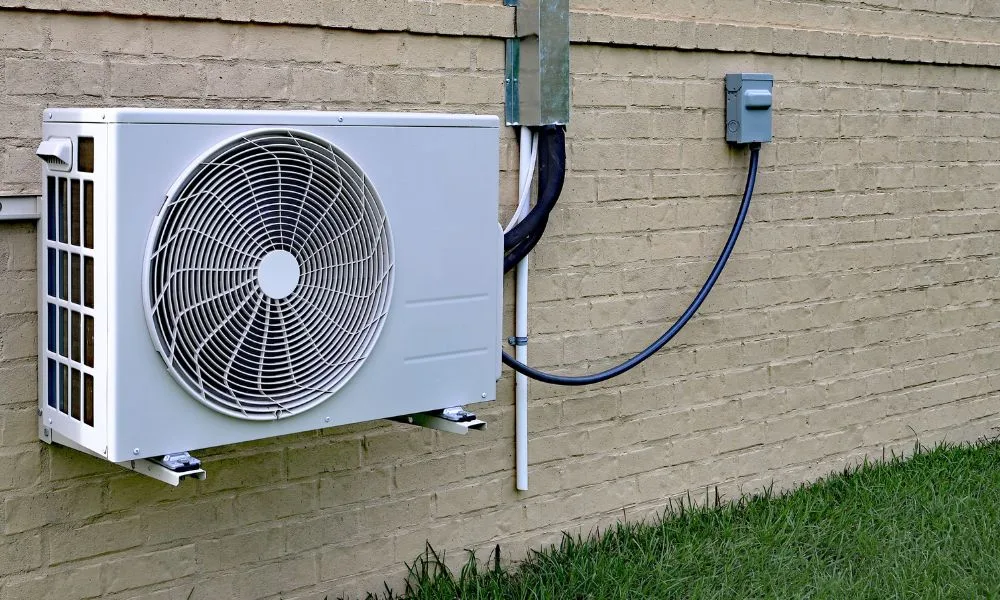
The MRCOOL DIY 4th Gen can still work well — bargain hunters in mild climates may grab one if the price is low. But newer systems now offer better efficiency, a newer refrigerant, and stronger cold-weather heat, so most buyers in 2026 are better served by the newer generation.
Quick Verdict
Quick Verdict on the MRCOOL DIY 4th Gen
The MRCOOL DIY 4th Gen ductless mini split was a breakthrough for homeowners around 2020–2023. It made easy installation possible with a pre charged line set, quick connect fittings, and no vacuum pump.
By 2026, the 4th Gen is still a proven system, but it has fallen behind newer systems, including MRCOOL’s own 5th Gen, on efficiency, refrigerant, and cold-weather heating.
| Category | MRCOOL DIY 4th Gen | Newer DIY Systems |
|---|---|---|
| Efficiency | Often around 20–22 SEER; the MRCOOL DIY heat pump has a 20.5 SEER rating on common models | Do it yourself, no vacuum pump high efficiency systems can achieve up to 24 SEER2 |
| Cold performance | Standard models are less confident below 0°F | Cold climate certification is important for efficient heating in colder regions, and the newer systems are designed for stronger low-ambient performance |
| Warranty | Often 5-year parts and 7-year compressor with registration | Typically 5-year parts and 7-year compressor |
MRCOOL has shifted attention to the 5th Gen, which has a SEER2 rating of 23.9 and includes a 7-year compressor warranty.
If you find remaining 4th Gen stock, confirm the exact size and refrigerant (R-410A) before you buy. Closeout pricing can make it a reasonable deal, but for rebate eligibility, cold-weather comfort, and parts availability, a current-generation system is usually the better long-term buy.
Overview
Overview of the MRCOOL DIY 4th Gen System
The mrcool diy 4th gen is a pre-charged ductless mini split heat pump designed for homeowners to install without an HVAC license.
Popular sizes included 12,000 btu, 18,000 btu, and 24,000 btu single-zone units. MRCOOL DIY systems can heat and cool spaces up to about 1,000 sq. ft. For example, a 24,000 BTU unit could serve a garage, basement, or bonus room near 1,000 ft in mild conditions.
The DIY 4th Gen uses R-410A refrigerant and factory pre-charged quick-connect line sets, so installation requires no vacuum pump or refrigerant handling.
This generation offered heating mode, cooling, dry mode, fan control, and variable-speed operation in one mini split.
Key Features
Key Features of the MRCOOL DIY 4th Gen Heat Pump
Here are the features homeowners usually care about most.
Installation
Installation Experience: DIY 4th Gen vs Newer DIY Systems
Installation is where MRCOOL built its reputation, but it is also where quality differences show up in 2026.
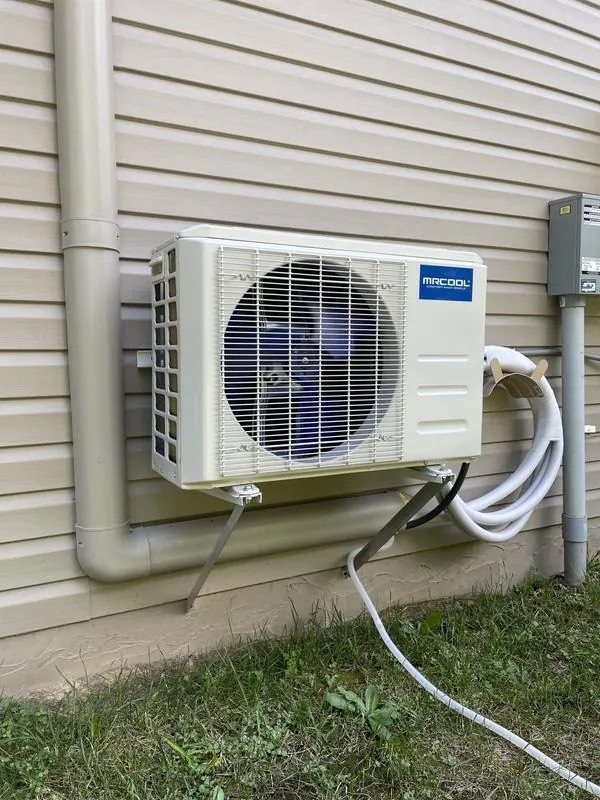
A typical install includes mounting the wall unit, drilling a 3–3.5 inch hole, routing the pre charged line set, setting the condenser, tightening quick connect fittings, wiring communication cable, and powering the system. Many DIY installations are reported to take 3 to 4 hours, though 4–8 hours is more realistic for a first-time homeowner.
Homeowners can install systems without special tools or training, but basic tools still help: a drill, hole saw, level, stud finder, wrench set, and torque care. DIY installations eliminate the need for HVAC licenses, but electrical work may still require a licensed electrician.
Common MRCOOL pain points include stiff lines, limited standard lengths, unclear directions, and the risk of kinking. Newer DIY systems use a similar concept but with more attention to flexible lines, clearer manual guidance, and fitting inspection before shipment.
The HVAC industry offers DIY ductless mini-split heat pump systems because homeowners want to save time, save money, and avoid thousands in contractor labor.
Performance
Performance, Efficiency & Comfort in Everyday Use
Real-world performance matters more than brochure numbers.
Newer systems rated up to 24 SEER2, with stronger low-ambient heating, are a better fit for northern U.S. and Canadian regions.
Reliability & Support
Reliability, Support, and How 4th Gen Compares to Newer Options
A heat pump should last 10–15 years, so reliability and support matter. MRCOOL 4th Gen compressors are generally solid, but reviews often mention leaking quick-connect fittings, communication errors, sensor faults, or delayed parts.
Older 4th Gen parts may become harder to source as MRCOOL prioritizes newer lines. That can make support harder if the reseller changes, the exact model is discontinued, or the warranty path is unclear.
Whatever you buy, check whether warranty claims go through the manufacturer or the reseller before you order; bouncing between the two is the most common support complaint.
Pros of MRCOOL DIY 4th Gen
- True DIY design
- Heating, cooling, dry, and fan modes with variable-speed operation
- Pre-charged lines
- Good choice for moderate climates
Cons of MRCOOL DIY 4th Gen
- Older R-410A technology
- Remaining stock may be limited
- Weaker cold-climate performance
- Older parts may get harder to source
DIY HVAC systems are beneficial for homeowners in moderate climates and seeking cost savings. Bargain hunters in mild areas may still choose a mrcool diy 4th gen unit if the price is low. If you want better efficiency, a newer refrigerant, and stronger cold-weather heat, a current-generation system is the better buy: MRCOOL’s own DIY 5th Gen, or Zone Air, our recommended pick in the DIY brands ranking.
Keep Reading
Related Reviews & Guides
DIY Mini Split Brand Reviews
See our full ranking of DIY mini split brands — Zone Air, MrCool, Pioneer, Senville, and more.
Read the reviews →Best DIY Mini Split Brands
Compare Zone Air, MrCool, Pioneer, and Senville on efficiency, warranty, and install difficulty.
Read the guide →MRCOOL Pre-Charged Line Sets
Official MRCOOL DIY Quick Connect line sets — sizes, lengths, compatibility, and the top alternatives.
Read the guide →