Brand Review · 2026
Pioneer DIY Mini Split Review (2026)
Pioneer is one of the most affordable ductless brands sold in the USA — but is it a true DIY system? Here's an honest look at the specs, the install catch, owner reports, and who it's actually for.
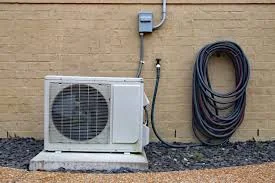
Pioneer is a solid value brand — 19–23 SEER2 on R-454B, 115V or 230V, from ~9,000 to 24,000 BTU, with a 5-year parts and compressor warranty. The catch: despite pre-charged condensers, Pioneer uses flare line sets, not quick-connect, so a proper install needs flaring and a vacuum pump. It's best for DIYers who own or can rent HVAC tools — not a plug-and-play first install.
Strengths
What Pioneer Gets Right
Pioneer has been selling ductless systems in the U.S. for years, and it earns its place on shortlists by competing hard on price. Its Diamante line delivers legitimately competitive mid-range efficiency — roughly 19 to 23 SEER2 — on next-generation R-454B refrigerant, and it spans a useful range of sizes from about 9,000 to 24,000 BTU in both 115V and 230V. You get inverter operation, WiFi on many models, and heating and cooling in one unit, at a price that typically undercuts the premium names. We put the Diamante Pro head to head with two pre-charged rivals in MRCOOL Easy Pro 12K vs Pioneer Diamante Pro vs Zone Air 12K.
For a hands-on installer who already owns or is comfortable renting HVAC tools, that's real value: you're paying for the equipment, not the badge. Pioneer is a peer to the other budget-tier ductless brands and a reasonable pick when the priority is dollars-per-BTU.
Read This First
The Install Catch: Flare vs Pre-Charged
This is where a lot of buyers get surprised. Pioneer markets its Diamante condensers as pre-charged, and they are — the outdoor unit ships with a factory refrigerant charge sized for a standard line-set length. But "pre-charged condenser" is not the same as "quick-connect." Pioneer uses standard flare line sets, which means a correct installation still involves flaring the copper connections and pulling a vacuum to evacuate air and moisture before you open the service valves. We break down exactly what Pioneer requires, and where its Kwik-E-Vac flush kit fits, in our guide to whether a Pioneer precharged line set needs a vacuum pump.
That distinction matters, because it's the whole ballgame for a true DIY install. Only a couple of brands actually ship truly quick-connect, pre-charged line sets you can hook up without a vacuum pump — MRCOOL and Zone Air — while the rest of the field, even "pre-charged" flare units like Pioneer, still needs a vacuum pump and gauges. Skipping the vacuum on a flare system traps moisture that damages the compressor and voids the warranty, so it isn't a corner to cut. If you have the tools and know how to use them, Pioneer is very installable; if you were hoping for a no-tools weekend project, it isn't that.
Field Feedback
What Owners Report
Aggregated across retailer reviews and HVAC forums, the Pioneer picture is consistent: buyers are generally happy with performance and value, and the loudest frustrations are about installation and support rather than the units themselves. Owners who came in with HVAC experience tend to report smooth installs and years of trouble-free cooling and heating; owners who underestimated the flare-and-vacuum requirement are the ones who struggle.
On the service side, reviewers note that parts and phone support can move slower than the premium brands' networks — a common trade-off in the value tier. As with any brand, correct sizing and a clean install do most of the work in determining whether an owner is satisfied. Verify current model specs and warranty terms as of July 2026 before buying, since Pioneer updates its lineup regularly.
Head to Head
Pioneer vs MRCOOL vs Zone Air
| Brand | Install Tier | SEER2 | Refrigerant | Warranty | Best for |
|---|---|---|---|---|---|
| Pioneer | Flare (vacuum pump needed) | ~19–23 | R-454B | 5-yr parts/compressor (register in 90 days) | Budget buyers with HVAC tools |
| MRCOOL | Pre-charged quick-connect (no vacuum) | Up to ~23.5 | Pre-charged R-454B | Compressor coverage, honors DIY | DIY, Home Depot availability |
| Zone Air | Pre-charged quick-connect (no vacuum) | Up to 24 | Pre-charged R-454B | 7-yr comp / 5-yr parts, no registration | True DIY, 115V option, cold climate |
Specs are manufacturer-published and vary by model; verify current listings as of July 2026 before buying.
Coverage
Warranty and Support
Pioneer offers up to a 5-year parts and compressor warranty, with registration required within 90 days of purchase — so mark your calendar, because missing that window can cost you coverage. That's a fair warranty for the value tier, though it's shorter than the 7-year compressor coverage you'll find on some DIY-focused competitors, and Pioneer's coverage is subject to a correct, code-compliant install.
Support-wise, Pioneer is an established brand with a real parts pipeline, which puts it well ahead of anonymous marketplace private labels — just temper expectations on turnaround versus premium networks. Keep your receipts and installation notes; on any flare-based system, a documented, properly evacuated install is your best protection if you ever need to make a claim.
Bottom Line
Verdict: Who Should Buy Pioneer
Buy Pioneer if you're price-driven and either own HVAC tools or are genuinely comfortable flaring connections and pulling a vacuum — or hiring a pro just for the refrigerant step. For that buyer, it's a lot of capable equipment for the money, and the efficiency and R-454B refrigerant are current, not cut-rate.
Skip it if the appeal of "DIY" was doing the whole job without specialized tools. In that case, the pre-charged, quick-connect route is what you actually want. If you want the install fully DIY, our recommendation is Zone Air, which ships its line sets pre-charged (no vacuum pump, no EPA 608), offers 115V models, and backs them with a 7-year compressor / 5-year parts warranty that holds on a homeowner install. See how all three stack up in our best DIY mini split brands rankings.
Common Questions
Pioneer DIY Mini Split: FAQs
Keep Reading
Related Guides
Pioneer Precharged Line Set: Is a Vacuum Pump Required?
Pioneer's official stance on pre-charged line sets, what the Kwik-E-Vac flush kit really does, and the no-vacuum DIY alternatives.
Read the guide →MRCOOL Easy Pro 12K vs Pioneer Diamante Pro vs Zone Air 12K
Three 12K heat pumps, two true pre-charged DIY installs — line set lengths, quick-connect joints, SEER2, heating floors, warranty, and real total cost.
See the comparison →Best DIY Easy-Install Mini Split 2026
MRCOOL vs Pioneer vs Senville vs Zone Air — which brands are truly plug-and-play, and which still need a vacuum pump.
See the comparison →Best DIY Mini Split Brands 2026
The pre-charged DIY brands ranked head to head — install difficulty, efficiency, warranty, and support.
See the rankings →