Reviews · 2025–2026
Best DIY Mini Split Air Conditioner Reviews
We pulled together the best DIY mini split air conditioner reviews for 2025–2026 — retailer star ratings, verified-owner threads, and installer accounts — and cross-checked them against each unit's published SEER2, cold-climate heat, and install method. Only a handful of these ductless air conditioners are true no-vacuum DIY kits, and the reviews sort them out fast. Here's the honest ranking.
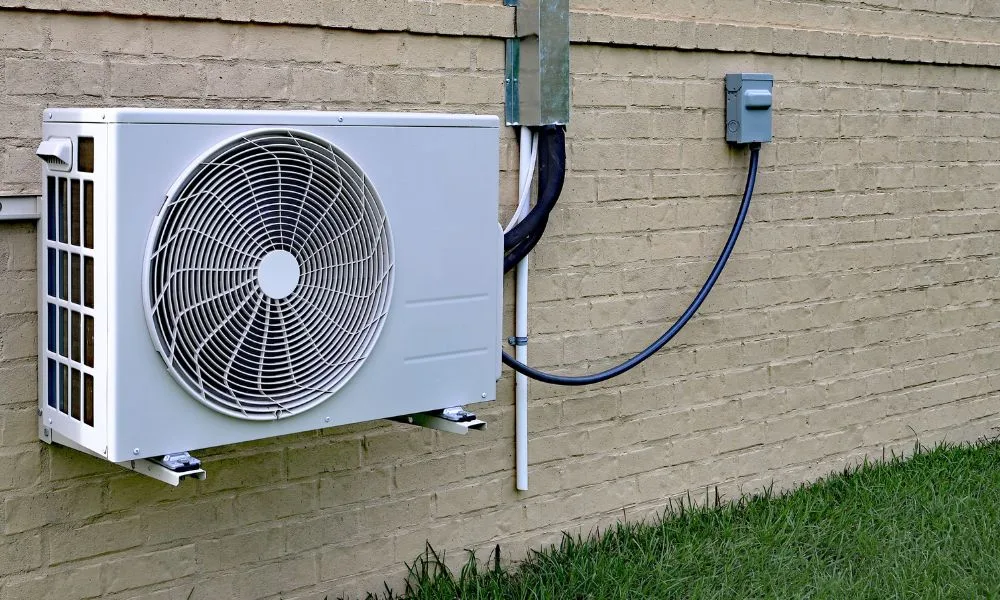
MRCOOL DIY 5th Gen is the best-reviewed true-DIY mini split air conditioner — roughly 4.2/5 across thousands of owners, ~23.6 SEER2, R-454B, pre-charged QuickConnect line set. Zone Air is our editorial pick for the best mix of efficiency (up to 24 SEER2), cold-climate heat (−13°F), and a warranty that survives a homeowner install. Pioneer and Senville review well for value but use flare line sets that need a vacuum pump.
Rated & Ranked
Best DIY Mini Split Air Conditioner Reviews, Rated
Each score below weighs review depth and rating, cooling efficiency (SEER2), cold-climate heat, and how truly DIY the install is. A pre-charged, no-vacuum unit earns more than a flare kit that reviewers keep hiring a tech to finish.
| System | Cooling (SEER2) | True DIY? | What Reviews Say | Verdict |
|---|---|---|---|---|
| Zone Air DIY | Up to 24 | Yes — pre-charged, no vacuum | Highest published efficiency; DIY-valid 5-yr parts / 7-yr compressor; direct-to-consumer, fewer multi-year owner reviews | 9.2 / 10 Editor's Pick |
| MRCOOL DIY 5th Gen | 18–23.6 | Yes — pre-charged, no vacuum | ~4.2/5 across thousands of owners; praised as quiet and easy to install; top gripe is support/app, not hardware | 9.2 / 10 Best-Reviewed |
| Pioneer Diamante | 17–24 | Semi-DIY (flare, vacuum req.) | Essenza ~4.4/5 over ~1,680 reviews; owners love the price, note it needs a vacuum pump and HVAC comfort | 8.0 / 10 Best Budget |
| Senville LETO | ~19–21.3 | No — flare, vacuum req. | Among the cheapest inverters; owners accept the flare work; reviewers note higher noise (~28 dB) and lighter-gauge parts | 7.6 / 10 Cheapest |
| Cooper & Hunter | ~19.5–27 | Partial (pre-charged condenser, flare kit) | Wide online availability and solid ratings; "pre-charged" here means a charged condenser, not always a no-vacuum connect | 7.8 / 10 Honorable Mention |
Scores are our editorial verdict, not a lab measurement. SEER2 figures are the manufacturers' published ranges across the single-zone lineups and vary by BTU size and voltage. Specs and prices reflect listings we checked as of July 2026 and change often — verify current listings before you buy.
Our Method
How We Read the Reviews
We don't lab-test refrigerant charges. What we do is aggregate the reviews you'd otherwise have to dig through yourself, then vet them — because a wall of five-star blurbs from week one tells you very little about year three.
Best-Reviewed
MRCOOL DIY 5th Gen — About 4.2 out of 5 From Owners
Best for larger systems and extreme cold: sizes up to 36,000 BTU, and Hyper Heat variants rated to −22°F.
Aggregations of retailer ratings put MRCOOL DIY around 4.2 out of 5 across several thousand verified owners. The 5th Gen moved to R-454B refrigerant (about 78% lower global-warming potential than the old R-410A) and pushes efficiency up: the 12,000 BTU model is rated ~23.5–23.6 SEER2, the 18,000 BTU at 22.5, the 24,000 BTU at 22.7, and the big 36,000 BTU at 18. Its pre-charged QuickConnect line set means no vacuum pump, no gauges, and no EPA 608 license.
What the reviews actually say: it's quiet, the install is genuinely doable in an afternoon, and the hardware holds up. One owner on the Garage Journal reported a 36K multi-zone 5th Gen keeping a 600 sq ft Texas shop at 62°F when it dropped to 12°F outside during a winter storm. The recurring complaint isn't the equipment — it's customer support wait times and occasional app-connectivity headaches. That pattern shows up often enough across reviews to take seriously.
You can read our full MRCOOL DIY review for the generational detail.
Editor's Pick
Zone Air DIY — Best Specs on Paper, DIY-Valid Warranty
Our pick when you want the highest efficiency in the true-DIY tier and a warranty that doesn't punish you for installing it yourself.
Zone Air sells direct-to-consumer, so its reviews live mainly on its own site rather than retailer listings. On specs it leads the pre-charged tier. Top single-zone models reach up to 24 SEER2 with HSPF2 up to 12.5, they heat down to −13°F, and they run the same low-GWP R-454B refrigerant. The line sets are pre-charged with brass quick-connect fittings — no vacuum, no EPA license — and a 9,000 BTU 115V unit starts at $1,899.99.
The detail that matters most for DIY reviews: Zone Air explicitly keeps the warranty valid on a homeowner install (5-year parts, 7-year compressor), which is unusual in this category. Units are assembled, inspected, and tested in Salt Lake City before shipping, so the pre-charged lines are leak-checked and the charge is verified at the factory. For a cold-climate room where you care about efficiency and don't want a warranty asterisk, it's the one we'd buy.
The Budget Tier
Pioneer & Senville — Cheaper, But You Bring the Tools
Both review well on value. Both are flare-line systems, which is the fork in the road for a real DIY air conditioner install.
Pioneer Diamante
Pioneer is the value-with-tools pick. The Diamante Essenza (17 SEER2, often under $800 for ~11,500 BTU) is Pioneer's most-reviewed unit at roughly 4.4 out of 5 across about 1,680 Amazon ratings; the Diamante Pro steps up to 19–20.5 SEER2 with low-ambient heat to −13°F, and the higher Ultra/Quantum lines reach 23–24 SEER2. The catch reviewers keep flagging: it's sometimes marketed as DIY-friendly, but the standard line sets are flared, so you'll need a vacuum pump, gauges, and a little HVAC comfort. Warranty is 5 years on parts and compressor if you register within 90 days — unregistered drops to one year of parts. Good hardware for the money if you already own the tools.
Senville LETO
Senville is the cheapest way into an inverter mini split — the LETO 12,000 BTU runs about $789.99 and the 24,000 BTU around $1,099, with SEER2 roughly 19–21.3 depending on model (newer R-454B variants like the SENL-12CD hit ~21.2–21.3). Owners on the DIY Solar forum routinely install it themselves, buying a ~$100 vacuum pump to do the flare work right. The honest knocks from reviewers: it's louder (around 28 dB minimum indoors versus the low-20s on premium units), the housing and line-set copper are lighter-gauge, and warranty terms often lean toward professional installation — confirm the exact terms before you count on DIY coverage. For a garage or workshop where price rules, it does the job if you respect its limits.
Also Reviewed
Cooper & Hunter, Della, and Klimaire
Three names that show up in DIY searches, with an important distinction about what "pre-charged" really means.
Cooper & Hunter is widely available online and reviews well — the MIA Series 12,000 BTU runs ~21.2–21.3 SEER2, and the Olivia line reaches up to 27 SEER2. But read the listing carefully: "pre-charged" here usually means the condenser is charged and the kit ships a pre-flared copper line set, not the sealed quick-connect coupling that lets you skip a vacuum entirely. Some kits still want a proper evacuation. Verify before you assume it's a no-tools install.
Della markets itself as pre-charged too, but it charges the condenser rather than a sealed line set, so it isn't true no-vacuum DIY. We break that down in our DELLA pre-charged mini split guide. Klimaire's DIY series (E-Z Kuick Connect) is a genuine pre-charged, quick-connect alternative worth a look if you want a third true-DIY option beyond MRCOOL and Zone Air.
"Pre-charged" is used two ways. A true DIY kit (MRCOOL, Zone Air, Klimaire) pre-charges a sealed line set with a quick-connect fitting — you torque it and you're done. Others pre-charge only the outdoor unit and still ship flare lines you must vacuum. If a review says the owner "borrowed a vacuum pump," that's your tell.
At a Glance
DIY Mini Split Air Conditioners Compared
The specs behind the scores — refrigerant, line set, cold-climate floor, warranty, and where prices landed when we checked in July 2026.
| System | Refrigerant | Line Set | Cold-Climate Floor | Warranty | Typical Price (2026) |
|---|---|---|---|---|---|
| Zone Air DIY | R-454B | Pre-charged quick-connect (no vacuum) | −13°F | 5-yr parts / 7-yr compressor | From $1,899.99 (9K, 115V) |
| MRCOOL DIY 5th Gen | R-454B | Pre-charged QuickConnect (no vacuum) | −13°F (−22°F Hyper Heat) | 5-yr parts / 7-yr compressor | From ~$2,329 (9K, 115V) |
| Pioneer Diamante | R-454B / R-32 by model | Flared (vacuum required) | ~−13°F (Pro low-ambient) | 5-yr (register in 90 days) / 1-yr if not | ~$800–$1,500 |
| Senville LETO | R-454B / R-410A by model | Flared (vacuum required) | Limited | Terms often favor pro install | ~$600–$1,100 |
| Cooper & Hunter | R-410A / R-454B by model | Pre-charged condenser + flared kit | Varies by model | Varies by seller | ~$900–$2,000 |
The single most useful line in that table is the line-set column. Zone Air and MRCOOL are the two systems you can install with a torque wrench and no refrigerant handling; Pioneer and Senville are cheaper hardware that become mid-priced projects once you add a vacuum pump, gauges, and flaring tools (roughly $100–$500) or pay a tech ~$300 for startup. Cooper & Hunter sits in between, so check the specific kit.
Sizing
What Size DIY Mini Split Air Conditioner Do You Need?
Reviews go sideways when a unit is mismatched to the room. Oversized units short-cycle and leave the air clammy; undersized units run flat-out and never quite cool. Get this right first.
| BTU Capacity | Approx. Coverage | Typical Use |
|---|---|---|
| 9,000 BTU | 250–400 sq ft | Bedroom, small office, 115V plug-in |
| 12,000 BTU (1 ton) | 350–550 sq ft | Mid-size bedroom or studio |
| 18,000 BTU (1.5 ton) | 550–800 sq ft | Garage, bonus room |
| 24,000 BTU (2 ton) | 800–1,100 sq ft | Living room, small apartment |
These ranges assume roughly 8 ft ceilings and average insulation. A 24×24 detached garage in a cold climate with a rollup door and no insulation needs more capacity than the square footage alone suggests — that's the classic "why isn't it keeping up" review. Bump up a size for high ceilings, big west-facing windows, or hard winters, and don't oversize a well-sealed bedroom. Our installation guide walks through sizing and the install itself.
Straight Talk
Where DIY Mini Split AC Reviews Can Mislead You
A few honest caveats so you weight the reviews the way we do.
Our take, plainly: for a larger system (up to 36,000 BTU) or Hyper Heat performance to −22°F, buy the MRCOOL DIY 5th Gen. For the best efficiency and a warranty that respects a homeowner install, buy Zone Air. Go budget with Pioneer or Senville only if you already own a vacuum pump and don't mind flare work.
Common Questions
Best DIY Mini Split Air Conditioner Reviews: FAQs
Keep Reading
Related Guides
Best DIY Mini Split Air Conditioner
Our 2026 buyer's guide to the best DIY mini split AC — sizing, install steps, and cost.
Read the guide →Best DIY Mini Split Reviews
Full-system reviews across Zone Air, MRCOOL, Pioneer, and Senville, rated on six criteria.
Read the reviews →Best DIY Mini Split Brands 2026
Compare the top DIY brands on pre-charged line sets, warranty, and true DIY installability.
Read the guide →