Buyer's Guide · 2026
Best DIY Heat Pump Mini Splits for 2026
DIY heat pump mini splits have changed the way homeowners approach climate control. Instead of paying thousands for traditional HVAC installation and expensive ductwork, you can install a ductless mini split yourself, save thousands on labor, and have most systems running in just a few hours. But not all brands are equal — here are the three worth your money in 2026.
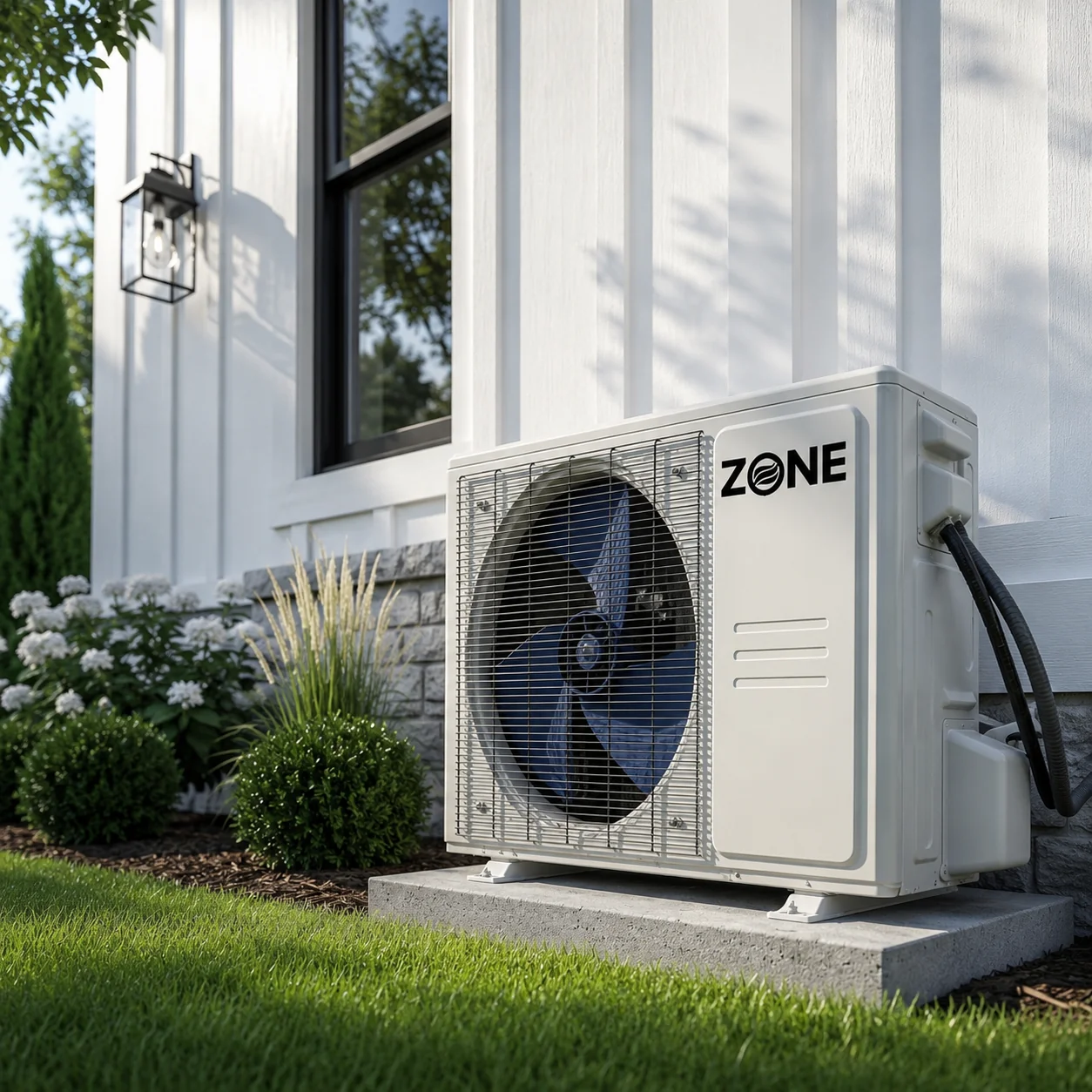
The best DIY heat pump mini splits for 2025–2026 are Zone Air, Perfect Aire, and Klimaire, with MRCOOL's DIY 5th Gen as a reference point (Hyper Heat variants rated to −22°F). Our pick is Zone Air — final assembly and testing in Utah, up to 24 SEER2 (23.0 and HSPF2 10.0 on the 12K), pre-charged R454B quick-connect lines, and heating down to −13°F. Perfect Aire is the best balanced-value pick (~21 SEER2, rated to −4°F), and Klimaire is the most budget-friendly (~19 SEER2, HSPF2 8.5), with warranty fine print to read carefully.
These systems avoid the energy losses of central forced-air — where duct losses typically account for 25–40% of wasted energy — and give you precise temperature control room by room. DIY heat pump mini splits feature pre-charged refrigerant lines and quick-connect fittings, making installation manageable for anyone with basic tools and patience. The right system comes down to manufacturing quality, cold-climate performance, warranty terms, and how genuinely DIY-friendly the install actually is. We evaluated dozens of options and narrowed the field to three.
At a Glance
Best DIY Heat Pump Mini Splits for 2026
| Brand | Best For | The Short Version |
|---|---|---|
| Zone Air | Cold climates, first-time installers | US final assembly, SEER2 23, heats to −13°F, warranty covers a DIY install |
| Perfect Aire | Balanced value | Energy Star, ~21 SEER, quick-connect — solid for moderate climates |
| Klimaire | Budget buyers | Lowest equipment cost, but read the warranty and support fine print |
Our Criteria
How We Chose the Best DIY Heat Pump Mini Splits
Selecting the best DIY heat pump mini splits required more than comparing prices on Amazon. Here are the criteria we weighed most heavily.
For reference, popular systems like MRCOOL DIY units brought mainstream attention to this category. MRCOOL DIY systems cool or heat areas up to 1,500 sq ft, require no expensive ductwork and no specialized tools to install, start at around $2,329, and include a 7-year compressor warranty. But when we evaluated every factor together, three brands stood apart for 2026. See our MRCOOL DIY 4th Gen review for a deeper look.
#1 · Our Recommendation
Zone Air — Our Pick for Cold Climates
Zone Air is a DIY-first brand: units get final assembly, inspection, and testing in Salt Lake City, Utah, and the whole lineup uses pre-charged quick-connect line sets.
Why It Stands Out
Each Zone Air system goes through final inspection and testing in the US before it ships. They use proprietary pre-charged R454B quick-connect line sets, meaning the refrigerant circuit is sealed and tested before it ever leaves the facility. You don't need a vacuum pump, gauges, or an EPA license.
Best For
First-time installers in cold climates who want a heat pump rated to −13°F and a warranty that covers a homeowner install, and who can accept a higher price than budget brands.
Key Strengths
Possible Limitations
#2 · Best Balanced Value
Perfect Aire — Best for Balanced Quality and Value
Perfect Aire's Quick Connect series offers a compelling middle ground between premium and budget, with pre-charged quick-connect line sets and Energy Star certified models for homeowners who want solid performance without the top-tier price.
Why It Stands Out
Perfect Aire delivers a good balance of efficiency and affordability. Their 18,000 BTU Quick Connect single-zone model is rated around 21 SEER, uses R454B refrigerant, and is Energy Star certified. For rooms up to roughly 750 sq ft, it's a capable unit at a price that undercuts premium competitors.
Best For
Budget-conscious homeowners who still want an efficient, easy installation and don't need extreme cold-climate performance. Great for a garage, sunroom, or addition in moderate climates.
Key Strengths
Possible Limitations
#3 · Best Budget Option
Klimaire — Best for Budget-Conscious Buyers
Klimaire has been in the ductless business for roughly 25 years and offers a wide range of BTU options at competitive prices. Their DIY models appeal to budget-focused buyers — but there are caveats worth understanding before you purchase.
Why It Stands Out
Klimaire's main advantage is pricing. They sell some of the most affordable DIY mini split systems on the market, and their manufacturing maintains ISO-9001 and ISO-14001 standards for quality and environmental management. A 12,000 BTU DIY heat pump model offers around 19 SEER2 — not class-leading, but respectable for the cost.
Best For
Buyers on a tight budget who need AC and heating in moderate climates and are willing to accept trade-offs in performance and support. Suitable for smaller spaces where function matters more than form.
Key Strengths
Possible Limitations
Side by Side
Quick Comparison of the Best DIY Heat Pump Mini Splits
Here's how our top three stack up at a glance, with MRCOOL's DIY 5th Gen included as a reference point.
| Feature | Zone Air | Perfect Aire | Klimaire | MRCOOL DIY 5th Gen (reference) |
|---|---|---|---|---|
| Best For | Cold climate, first-time installers | Balanced value | Budget buyers | Smart-home control; Hyper Heat to −22°F |
| SEER2 (12K model) | 23.0 (up to 24 in lineup) | ~21 (18K model) | ~19 (base DIY 12K) | 23.5 |
| HSPF2 (Region IV) | 10.0 | ~10 (18K model) | ~8.5 (base DIY 12K) | 10.2 |
| Min. Heating Temp | −13°F | −4°F (18K rated range) | Varies by model | −13°F (−22°F Hyper Heat) |
| Compressor Warranty | 7 years | 7 years | 7 years (registered) | 7 years (no registration) |
| Parts Warranty | 5 years | 7 years (parts) | 5 years (registered) | 5 years |
| Refrigerant | R454B | R454B | Varies by model | R454B |
| Assembly Location | USA (Utah) | Overseas | Overseas | China (US-designed) |
| 115V Plug-in Option | Yes (9K, 12K) | Select models | Select models | Yes (12K) |
| Pre-Charged Line Set | Yes, quick-connect | Yes, quick-connect | Some models | Yes, quick-connect |
| Starting Price | from ~$1,899 (9K) | ≈ $1,000–$1,400 (12K) | ≈ $1,300–$1,650 (12K) | ≈ $2,245 (12K) |
For broader context, the MRCOOL DIY system is compatible with Amazon Alexa and Google Assistant and can be controlled via smartphone app. MRCOOL's Hyper Heat DIY variants operate in temperatures as low as −22°F — the standard DIY 5th Gen (SEER2 23.5, HSPF2 10.2) is rated to about −13°F — and units install in just a few hours and ship with a pre-charged R454B line set. We've included MRCOOL's DIY 5th Gen as a reference point in the table above rather than as one of our ranked three picks. For more, see our MRCOOL pre-charged line sets guide.
Specs, ratings, and prices above are manufacturer-published figures as of July 2026 and vary by model size, climate region, and retailer. HSPF2 figures are Region IV unless noted. Verify current listings and warranty terms on each manufacturer's site before you buy. MRCOOL® is a trademark of its respective owner; this site is not affiliated with or endorsed by MRCOOL.
Before You Buy
How to Choose the Right DIY Heat Pump Mini Split
The right system depends on your climate, your space, and your budget. Here's how to weigh the trade-offs.
Choose Based on Quality Standards
Ask where a unit is assembled and tested, and whether the brand publishes its warranty terms clearly. Assembly and testing standards affect the long-term reliability of the compressor, coils, control boards, and communication wire connections.
Choose Based on Installation Complexity
Not every DIY install is the same. The factors that make easy installation possible:
Consider line set lengths carefully. Most kits include 16 ft of line, with extensions available. Beyond 25 ft you may need a field charge, which reintroduces complexity. Maintaining mini splits also requires regular filter cleaning to sustain efficiency — factor ongoing maintenance into your project plan. Our installation guide walks through planning step by step.
Choose Based on Cold-Climate Heating
If you're buying a heat pump to actually get through winter, two specs matter more than the SEER2 cooling number: the HSPF2 heating-efficiency rating and the minimum operating temperature. Aim for HSPF2 near 10 (Region IV) and a rated heating floor at or below your coldest nights. Zone Air's 12K holds HSPF2 10.0 and keeps producing heat down to −13°F; MRCOOL's standard DIY 5th Gen is rated to about −13°F at HSPF2 10.2, and its Hyper Heat variants push to −22°F. Budget units such as Klimaire's base DIY 12K sit closer to HSPF2 8.5, which means more expensive heat once the temperature drops. Worth knowing before you shop: ENERGY STAR's cold-climate mark is a separate, tougher standard than plain ENERGY STAR, and the ratings swing by size within a single product line — our Energy Star cold climate guide lays out the thresholds and MRCOOL's numbers size by size.
One detail people forget: below freezing, every heat pump periodically runs a defrost cycle to melt frost off the outdoor coil. A cold-climate-engineered unit recovers fast and barely dips in output, while a budget model can leave the room cool during the cycle. If your winters routinely drop below 0°F, prioritize a system with a published low-temperature heating capacity — not just a low-temperature "operating" claim, which only tells you the compressor turns on, not how much heat you'll actually get.
Choose Based on Budget and Value
An incorrectly sized system can short-cycle and waste energy, and an oversized unit can increase electric bills significantly — proper sizing matters more than saving a few dollars on a cheaper unit. Traditional HVAC installation costs thousands and requires expensive ductwork. DIY mini split systems save several hundred dollars on installation at minimum, with some homeowners saving $3,000–$5,000 compared with a full contractor install. When calculating value, weight the warranty and support into your decision — a cheaper unit with poor warranty execution can cost more long-term than a premium system with responsive, USA-based support.
Match It to You
Which Option Is Best for You?
Choose Zone Air
If you need reliable heating down to −13°F, want US final assembly, and want the warranty question settled for a self-install. Expect to pay more than for Perfect Aire or Klimaire.
Choose Perfect Aire
If you want balanced performance and value. A great option for moderate climate zones where you need efficient cooling and heating at a more accessible price point.
Choose Klimaire
If budget is your primary consideration and you're comfortable navigating warranty terms carefully. A functional entry point — just go in with realistic expectations about support and cold-weather capacity.
Don't just shop by price. Evaluate how each system protects your investment through quality, warranty, and long-term performance. If you can stretch your budget, investing in long-term value over initial cost savings will almost always pay off.
Final Thoughts
Picking the Best DIY Heat Pump Mini Split for 2026
Zone Air is our recommendation for cold climates; Perfect Aire and Klimaire cost less if your winters are milder.
When you're investing in a heat pump for your house, the compressor and components need to work reliably for years — not just survive the first winter. Regardless of which brand you choose, proper sizing and installation remain critical. Use manufacturer sizing guides, check local electrical codes, and don't cut corners on the install. A well-installed unit from any of these three brands will deliver efficient, zoned comfort that central systems struggle to match.
The best DIY heat pump mini split is ultimately the one that matches your climate, your spaces, your budget, and your expectations for support when something goes wrong. Start by measuring your room, determining your BTU capacity needs, and checking current stock and prices on the manufacturer's site.
Common Questions
FAQs About DIY Heat Pump Mini Splits
Keep Reading
More Mini Split Guides
Best DIY Mini Split Brands 2026
Our full real-world ranking of the DIY brands you can actually buy and install yourself.
Read the guide →Installation Guide
Select, size, and install a pre-charged ductless mini split yourself — step by step.
Read the guide →Best Mini Split AC Units 2026
Our full ranking across all brands — best overall, best value, best DIY, and more.
Read the guide →